
Free Steps to Crochet Hanging Plant Holder for Chic Decor
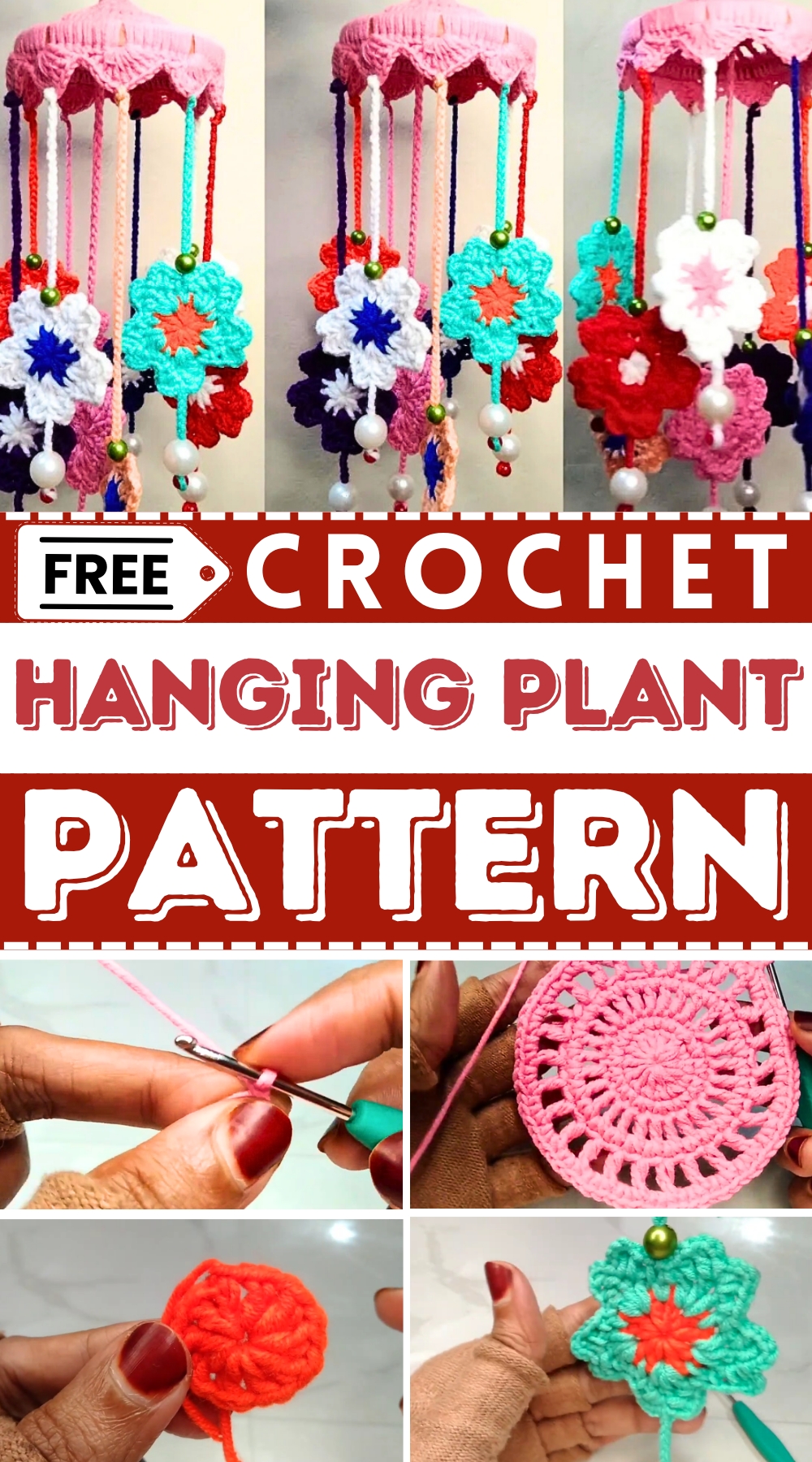
Maintaining consistent tension and counting stitches accurately are key tips for ensuring a balanced design. Beginners may benefit from using medium-thickness yarn, as it provides a more controlled grip, while advanced crocheters can experiment with textured or finer yarns for intricate effects. Finishing techniques like weaving ends neatly will help achieve a polished look.
This pattern is not only functional; it adds warmth and charm to any space. Whether placed in a cozy corner or an outdoor area, it frames your greenery beautifully, making it stand out while saving shelf space. The possibilities in color, size, and detail allow for a truly unique piece, showcasing the perfect blend of practicality and design.
1. Gather Materials
- Cotton or polyester yarn (medium weight recommended for strength)
- Crochet hook suitable for your yarn size (typically 2.5 mm)
- Scissors
- Tapestry needle for weaving in ends
- Optional: Beads or embellishments for added charm
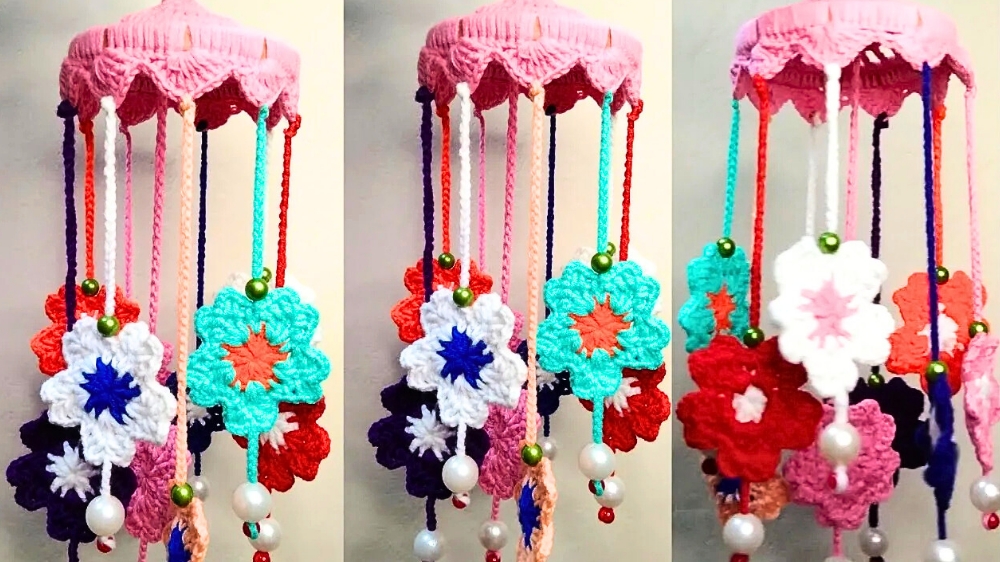
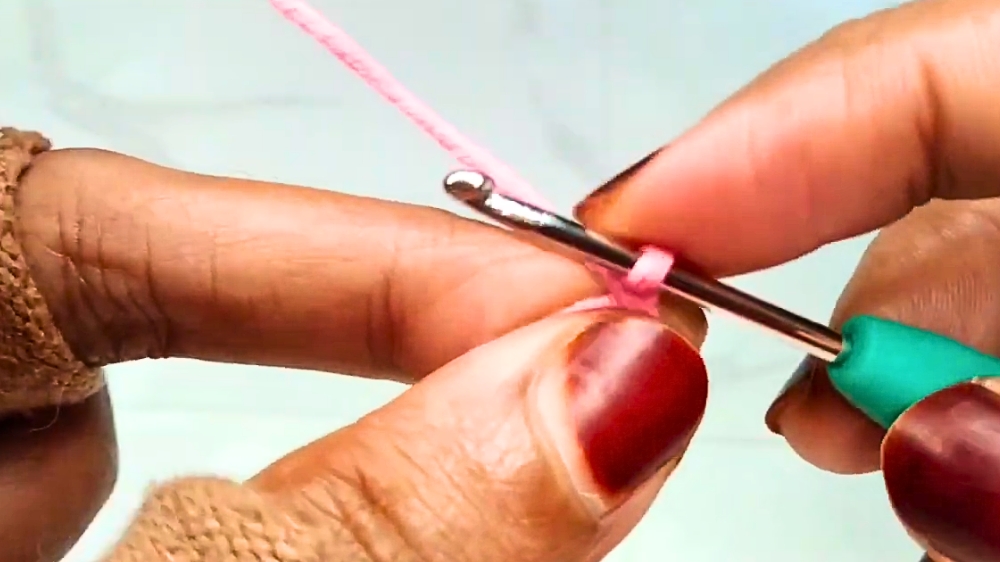
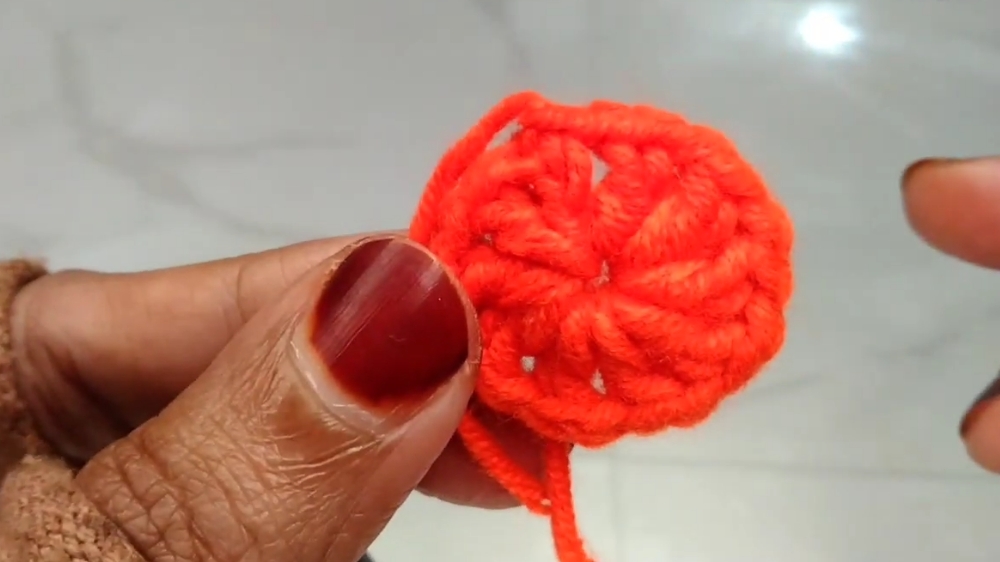
The pattern typically starts with a sturdy foundation ring or chain, which forms the base for the entire structure. From there, uniform stitches such as single crochet or slip stitch are used to create supporting straps or panels.
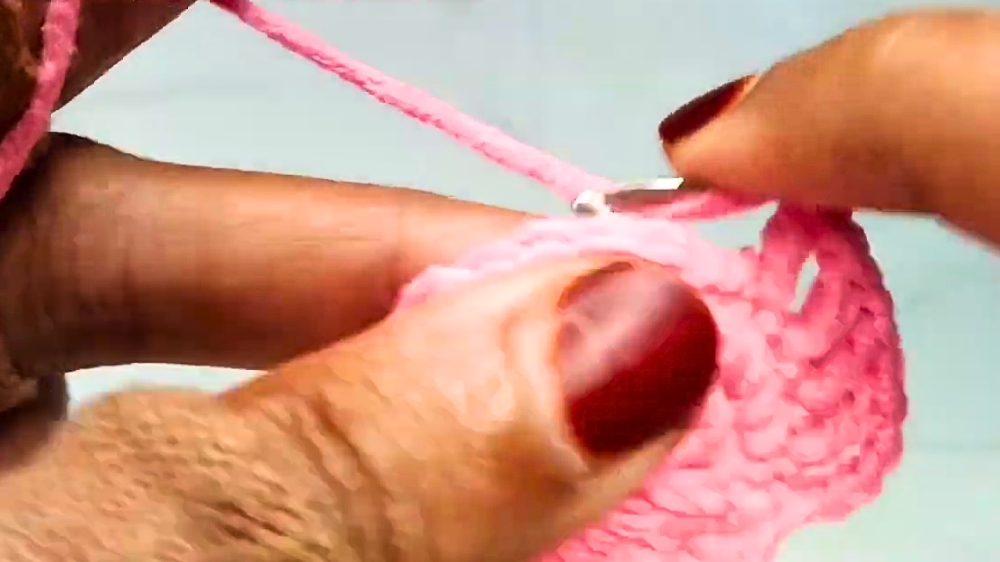
These straps are then evenly spaced and attached at the base to cradle the pot, forming a reliable yet stylish piece. At the top of the straps, a loop or knot is crocheted for hanging, ensuring it remains stable for lightweight pots. 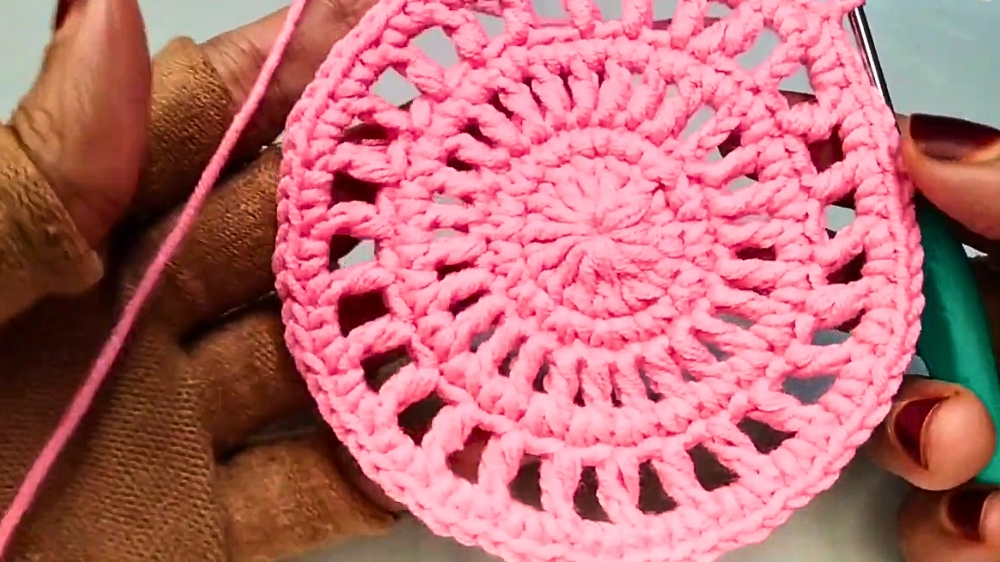
For advanced crocheters, additional details such as scalloped edges, beads, or tassels can be included to make the design more personalized. 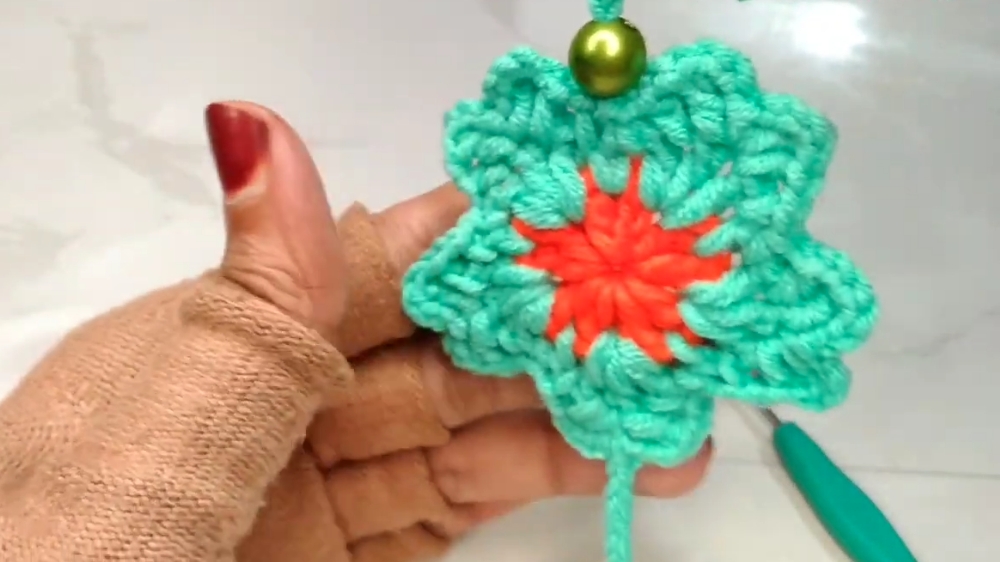
Special Features
- Decorative Appeal: The crochet pattern creates intricate loops or designs that elevate the look of hanging plants, blending seamlessly into boho or minimalist styles.
- Customizable Design: You can adjust the size, colors, and textures to match your space or personalize for gifts.
- Functionality: Serves as a durable holder for various pots while allowing the plant's natural beauty to shine.
- Eco-Friendly Crafting: Uses sustainable materials like cotton yarn to complement an earth-conscious lifestyle.
Level of Difficulty
- Beginner: Most basic hanging plant patterns can be completed using foundational crochet stitches like single crochet and slip stitch. Keep chains consistent and follow measurements precisely.
- Intermediate: Decorative additions such as tassels, beads, and intricate stitching styles may involve more advanced knowledge.
Tutor’s Suggestions
- Start Simple: Beginners are advised to stick to plain designs until comfortable with maintaining tension and stitch patterns.
- Count Stitches Accurately: Mistakes in stitch counts may disturb symmetry and weaken the final product.
- Test Strength: Before adding plants, ensure the structure is sturdy by testing with small weights like books or similar objects.
Uses and Materials
- Core Use: Ideal for home décor, especially in living rooms, gardens, or patios.
- Additional Functions: Can double as a small basket or accent piece for lightweight items.
- Preferred Materials: Cotton yarn for durability and natural aesthetics; polyester yarn for water resistance.
Step-by-Step Instructions
Crocheting a hanging plant holder combines practicality with artistic flair, making it an ideal project for crocheters who enjoy creating unique décor pieces. This pattern works seamlessly to showcase plants while adding texture and personality to your living space. You can get step-by-step details from this pattern link of a crochet hanging plant holder perfectly. It’s beginner-friendly yet elegant enough to appeal to advanced crocheters looking for a quick and satisfying project.
Conclusion
Crocheted hanging plant holders add a handmade touch to any décor and serve as a functional way to display your plants. With customizable features, it is perfect for personal use or gifting. Whether you’re a newcomer to crochet or looking to use your skills creatively, this pattern is a delightful addition to your crocheting repertoire.
Tip
Use lighter-colored yarn for brighter spaces and darker tones for more rustic or boho environments. Block your finished piece to enhance stitch clarity and overall appearance.
Leave a Reply